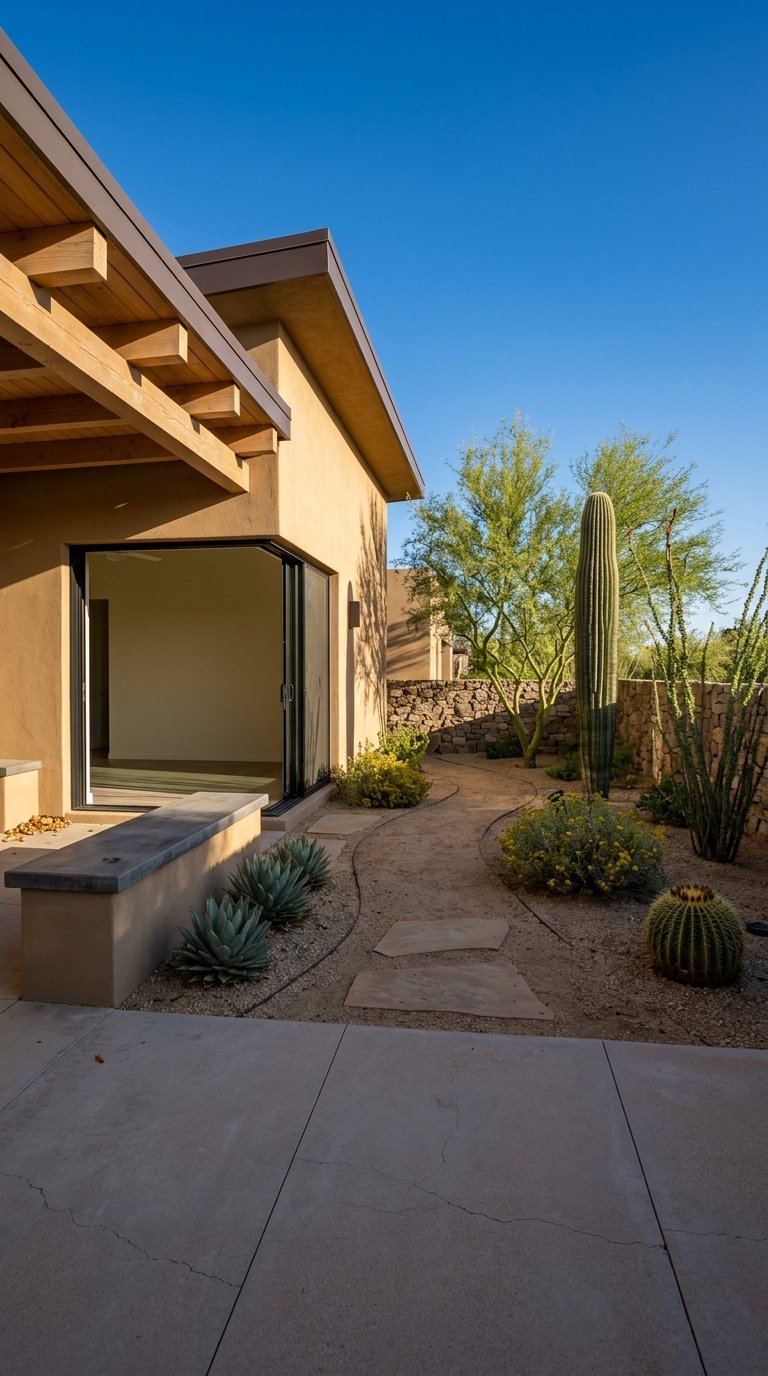
If your ideal Tucson day starts with a sunrise hike, a bike ride on a car-free path, or an evening walk with mountain views, where you live matters more than you might think. In Tucson, outdoor access is not just about being near the mountains. It is often about how close you are to river parks, greenways, and trailheads that make it easier to get outside on a regular basis. This guide breaks down the Tucson neighborhoods and areas that best fit an outdoor lifestyle, so you can focus your home search on the routines you actually want to live. Let’s dive in.
What Outdoor Access Looks Like in Tucson
Tucson’s outdoor lifestyle is shaped by two main patterns: river corridors and mountain-edge access. If you want daily recreation without getting in the car, neighborhoods near greenways and shared-use paths often make the biggest difference.
A major part of that network is The Loop, which Pima County describes as about 140 miles of paved shared-use paths and buffered bike lanes, with a completed circuit of 53.9 miles. The system connects the Cañada del Oro, Rillito, Santa Cruz, and Pantano River Parks, along with the Julian Wash and Harrison Greenway, creating more than 100 miles of car-free space for commuting and recreation.
On the other hand, if your priority is hiking, trail running, and desert views, mountain-edge areas tend to be the better fit. Saguaro National Park has east and west districts on opposite sides of Tucson, but bike access there is limited to specific loop roads and designated trails. In practice, buyers who want easy outdoor routines often do best near trailheads, preserves, or greenways rather than simply choosing a home with a larger lot.
Best Areas for Desert Trail Access
West Tucson and Tucson Mountain District
If you want quick access to desert hikes and sunset views, the west side stands out. This part of Tucson is close to trail access points such as Gates Pass, El Camino del Cerro, San Joaquin, Sarasota, Painted Hills, Sweetwater Preserve, and Robles Pass.
These trailheads connect into Tucson Mountain Park and the west district of Saguaro National Park. According to Pima County, Sweetwater Preserve has 15 miles of trails, while Robles Pass Trails Park offers 16 miles of singletrack and wide-reaching views. If you picture spontaneous hikes before work or short drives to trailheads, this side of town deserves a close look.
North Foothills and Sabino Corridor
The north side is one of Tucson’s best-known areas for canyon hiking. Trailheads like Bear Canyon, Ventana Canyon, Finger Rock, and Pima Canyon provide access into Coronado National Forest and the Santa Catalina foothills.
Pima County notes that Pima Canyon Trail is one of the most popular and scenic hikes in southern Arizona. Nearby, Sabino Canyon continues to be one of the area’s most visited outdoor destinations, drawing more than 1 million visitors each year. If your outdoor routine centers on canyon trails, elevation, and foothill scenery, north Tucson may line up well with your goals.
Best Areas for Biking and Daily Mobility
Midtown and the Rillito Corridor
If you want to bike or walk more often without planning your whole day around a trailhead, midtown neighborhoods near the Rillito corridor can be especially practical. This is where outdoor access becomes part of your normal routine, not just a weekend activity.
Areas such as Campus Farm, RillitoBend, and Hedrick Acres reflect that pattern. The Campus Farm neighborhood highlights bike access toward the university and the linear park along the Rillito. RillitoBend is tied to Rio Vista Natural Resource Park, while Hedrick Acres centers on Navajo Wash Park, a desert arboretum supported by neighborhood involvement.
The City of Tucson also supports this kind of movement with a bikeway system focused on lower-stress routes and signalized crossings. For buyers who want to swap some car trips for bike rides or evening walks, this part of Tucson can offer a strong balance of access and convenience.
Downtown and Central Tucson
If your version of an outdoor lifestyle includes walking to local destinations, biking through central neighborhoods, and mixing urban living with open-air spaces, downtown-adjacent areas are worth considering. Neighborhoods such as Armory Park, Barrio Viejo, and Menlo Park fit that profile well.
The Presidio Trail offers a 2.5-mile downtown walking route with more than 25 sites. The city also highlights outdoor spaces such as Santa Cruz-adjacent gardens, El Parque de San Cosme, and Sentinel Peak Park, which offers wide city views. If you want an outdoor routine that feels more walkable and connected to central Tucson, these neighborhoods may be a smart match.
Best Areas for Open-Desert Living and Bike Access
East and Southeast Tucson
The east and southeast side can be a great fit if you want an open-desert feel combined with park access and specialty biking options. This part of Tucson includes areas identified on the city’s Ward 4 neighborhood map, including Houghton South, Rita Ranch, and Mesquite Ranch.
The research also points to Civano, where the master plan calls for internal pedestrian and multi-use trails that connect parks and nearby destinations. The Robb Wash Greenway begins near Houghton and Old Spanish Trail, adding another layer of connectivity for outdoor movement.
This side of town also appeals to cyclists and active households because of Fantasy Island Mountain Bike Park, which includes bicycle paths and hiking trails. Park-oriented amenities in Purple Heart Community Park, Lincoln Regional Park, and other city special places make the east and southeast side worth considering if you want a little more space and an easy connection to outdoor recreation.
Best Areas for Park-Centered Routines
Not every outdoor lifestyle is about long hikes or mountain biking. For many buyers, it is about having easy access to parks for walks, play, exercise, or a simple change of scenery.
Tucson has several strong park anchors. According to the city’s parks information, Reid Park includes a large lake, a small pond, the Cele Peterson Rose Garden, a dog park, and the Outdoor Performance Center. Udall Park offers a walking path, splash pad, dog park, bicycle racks, and sports amenities, while Lincoln Regional Park includes the Atterbury Wash Greenway and Menlo Park offers fitness stations and fields.
If your daily routine includes dog walks, playground time, lap walks, or flexible outdoor space close to home, these park-centered areas can be just as valuable as homes near trailheads.
How to Match Tucson Areas to Your Lifestyle
The best neighborhood for an outdoor lifestyle depends on what you actually want to do most often. A home near a major trail system may be ideal for one buyer, while another buyer may be happier near greenways and parks that support short, frequent outings.
Here is a simple way to think about it:
- For hiking and trail running: Focus on West Tucson, the Tucson Mountain District, north foothills, and canyon-access areas.
- For biking and everyday mobility: Look closely at The Loop, the Rillito corridor, and downtown-adjacent neighborhoods with low-stress bike connections.
- For mountain biking and open-desert living: East and southeast Tucson stand out, especially near Fantasy Island and the Robb Wash Greenway.
- For park-heavy daily routines: Consider areas anchored by Reid Park, Udall Park, Lincoln Regional Park, or Menlo Park.
This kind of lifestyle-first approach can help you narrow your search faster. It also helps you avoid choosing a home that looks good on paper but does not support the way you want to live day to day.
Practical Tips for Outdoor Buyers
Tucson’s outdoor appeal comes with some real-world considerations. Desert conditions can shape how often and when you use trails, paths, and parks, especially during warmer months.
Pima County’s trailhead guidelines recommend carrying plenty of water, wearing sunscreen and a wide-brimmed hat, and knowing your route before you head out. The National Park Service also advises early starts and extra water for summer biking in Saguaro National Park.
It also helps to know that access rules can vary. Pima County notes that some trailheads require free overnight parking permits, dogs are not allowed on several canyon trails, and motorized vehicles and e-bikes are not allowed on county trails. At Saguaro National Park, bikes are limited to certain roads and designated routes.
If you are buying with outdoor access in mind, these details matter. A neighborhood may look close to nature on a map, but the real question is how easily that access fits your actual routine.
Choosing the Right Tucson Neighborhood
In Tucson, outdoor living is less about a single “best” neighborhood and more about the kind of access you want most. If you want immediate trail access, the west side and north foothills usually rise to the top. If daily walking, biking, and lower-car routines matter most, the Rillito corridor and downtown-adjacent neighborhoods often make more sense.
And if you want a more open-desert setting with bike-oriented recreation, east and southeast Tucson can offer a compelling mix. The key is finding a home that supports your everyday habits, not just your once-a-month plans.
If you want help comparing Tucson neighborhoods based on how you actually like to get outside, Ruben Moreno can help you narrow your options and find the right fit for your lifestyle.
FAQs
Which Tucson neighborhoods are best for hiking access?
- For hiking access in Tucson, west Tucson, the Tucson Mountain District, and the north foothills are strong options because they offer convenient access to trailheads like Gates Pass, Sweetwater Preserve, Bear Canyon, Ventana Canyon, Finger Rock, and Pima Canyon.
Which Tucson areas are best for biking and everyday outdoor routines?
- Midtown near the Rillito corridor and downtown-adjacent neighborhoods are strong choices if you want regular biking, walking, and access to greenways, The Loop, and lower-stress city bike routes.
What is The Loop in Tucson?
- The Loop is Pima County’s regional network of paved shared-use paths and buffered bike lanes that connects major river parks and greenways, creating extensive car-free space for recreation and commuting.
Which Tucson neighborhoods fit an open-desert outdoor lifestyle?
- East and southeast Tucson can be a good fit if you want an open-desert setting, neighborhood trail connections, park access, and proximity to bike-focused recreation like Fantasy Island Mountain Bike Park.
What should buyers know about Tucson trail and park access?
- Buyers should know that outdoor access rules vary by location, and factors like heat, water needs, dog restrictions, overnight parking permits, and bike access rules can affect how practical a specific area is for your routine.