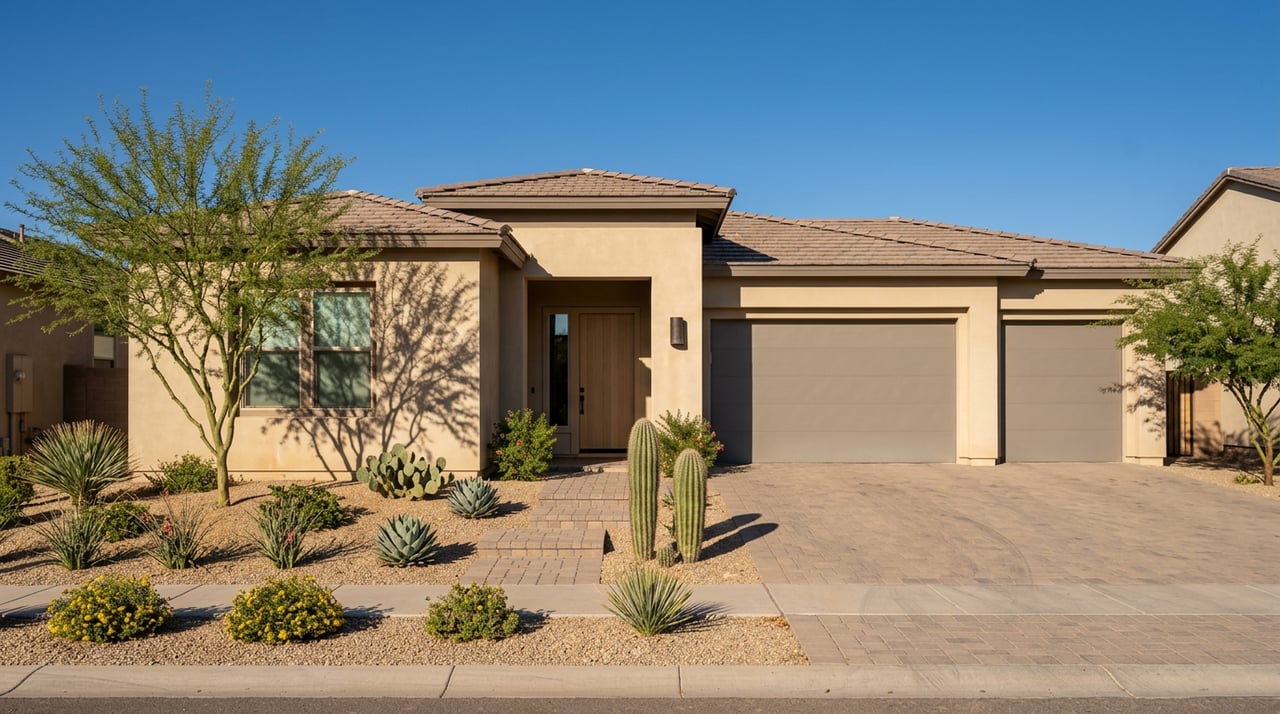
Thinking about selling your home in Marana? You are not alone. Local prices have held in a broad band around the mid 400s to about 500K, and average days on market often runs three to four months depending on price point and season. With the right prep, pricing strategy, and timelines, you can shorten the process and protect your bottom line. This guide walks you through what matters most in Marana, from pricing and marketing to disclosures, HOA packets, taxes, and closing costs. Let’s dive in.
Marana market at a glance
Marana is a mix of micro-markets. Dove Mountain tends to skew higher with golf and view homes, master-planned communities like Gladden Farms draw steady demand for commuter access and parks, and Avra Valley offers rural space for acreage buyers. Median prices across the town often fall in the low to high 400s, and typical days on market can range from the high 80s to about 130 depending on condition, price, and time of year. Early spring usually brings the most buyer activity, while the hottest summer months can slow showings.
The takeaway for you: price and presentation should reflect your submarket, not just the town-wide average. A local comparative market analysis (CMA) anchored to the last 3 to 6 months will be your best guide.
Your step-by-step selling plan
1) Six to eight weeks before listing
- Order a neighborhood-specific CMA and discuss a pricing target with your agent that balances traffic with appraisal risk. Use the most recent closed comps, and adjust for lot, views, and upgrades.
- Check permits for additions or major work with the Town of Marana’s Development Services. Confirm there are no open permits that could delay closing. You can review guidance and find the permit tracker on the Town’s Development Services page.
- Consider a pre-listing inspection. A general inspection, plus termite and roof checks, helps you find issues on your timeline and reduce surprises later. Learn more about seller inspections from this quick overview of pre-listing inspections.
- Gather documents early. Pull your deed or title info, mortgage payoff estimate, permits and final inspections for any renovations, warranties, HOA contact and CC&Rs, recent utility bills, and receipts for major repairs. Having these ready speeds up escrow.
2) Four to six weeks before listing
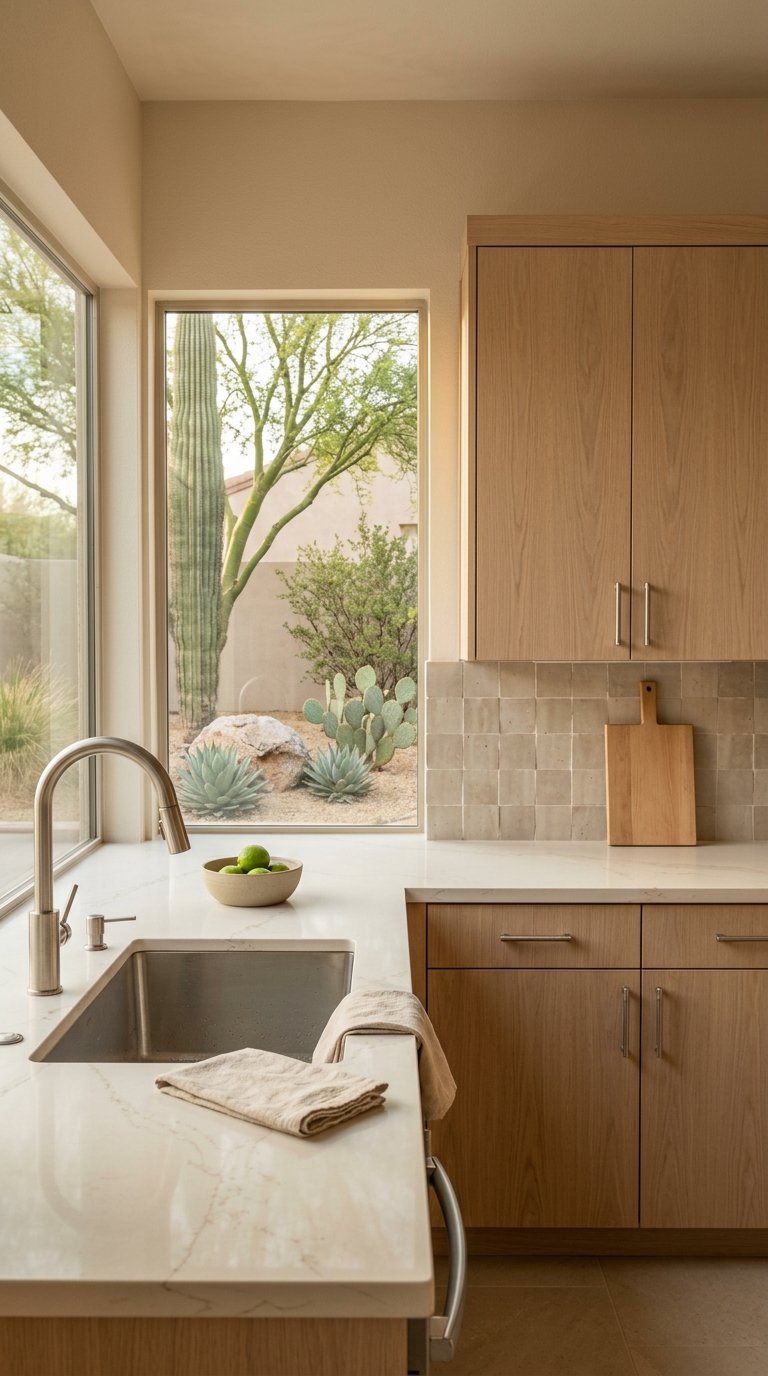
- Complete high-ROI refreshes. Think neutral paint touch-ups, AC service and filter replacement, water heater check, landscape cleanup and trimming, pool service, deep cleaning, and decluttering. Small fixes add up.
- Stage for photos and schedule professional media. Strong photography, floor plans, and a clean yard boost online click-through and showing requests.
- Plan your launch timing. Winter and early spring attract out-of-state buyers who often shop remotely. In summer, allow extra time for marketing.
3) Listing week
- Follow local MLS rules on public marketing and timing. Clear cooperation policies govern when a property must be submitted to the MLS after public advertising. See local guidance on MLS and risk tips.
- Go live with a complete package. That includes polished photos, a clear features list, neighborhood highlights aligned to buyer priorities, and showing instructions that support both in-person and virtual tours.
4) Showings and feedback
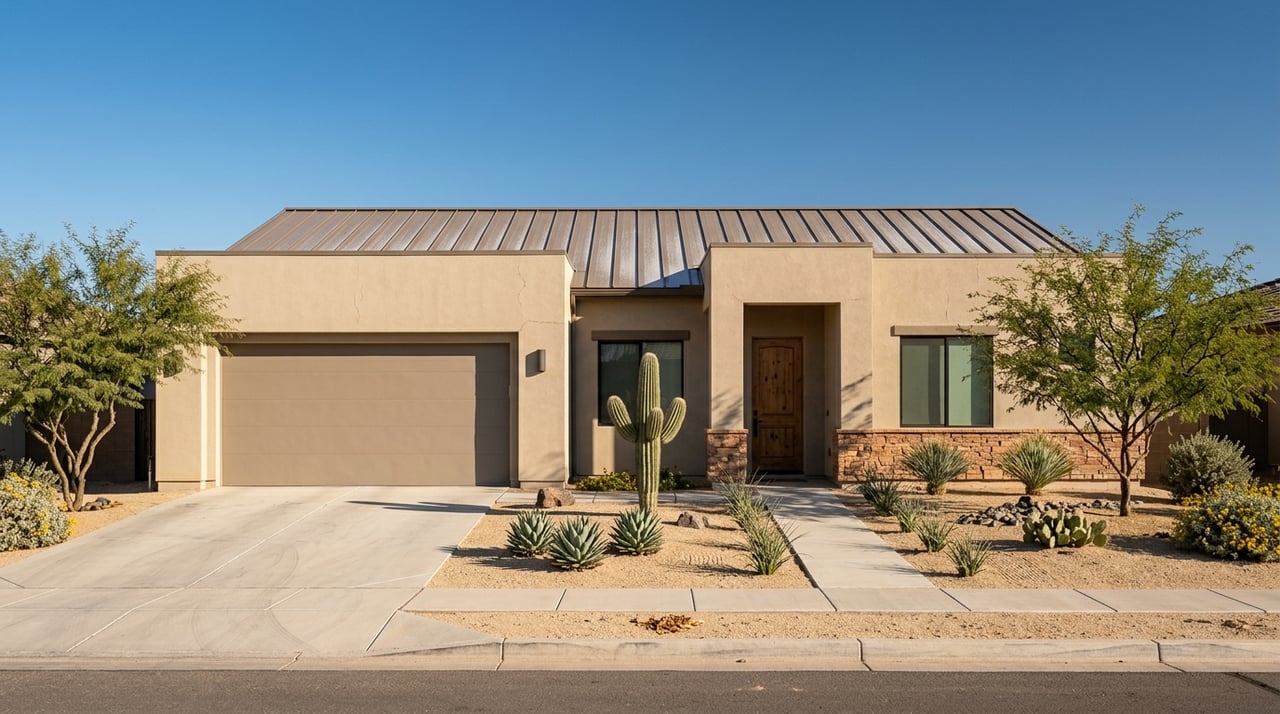
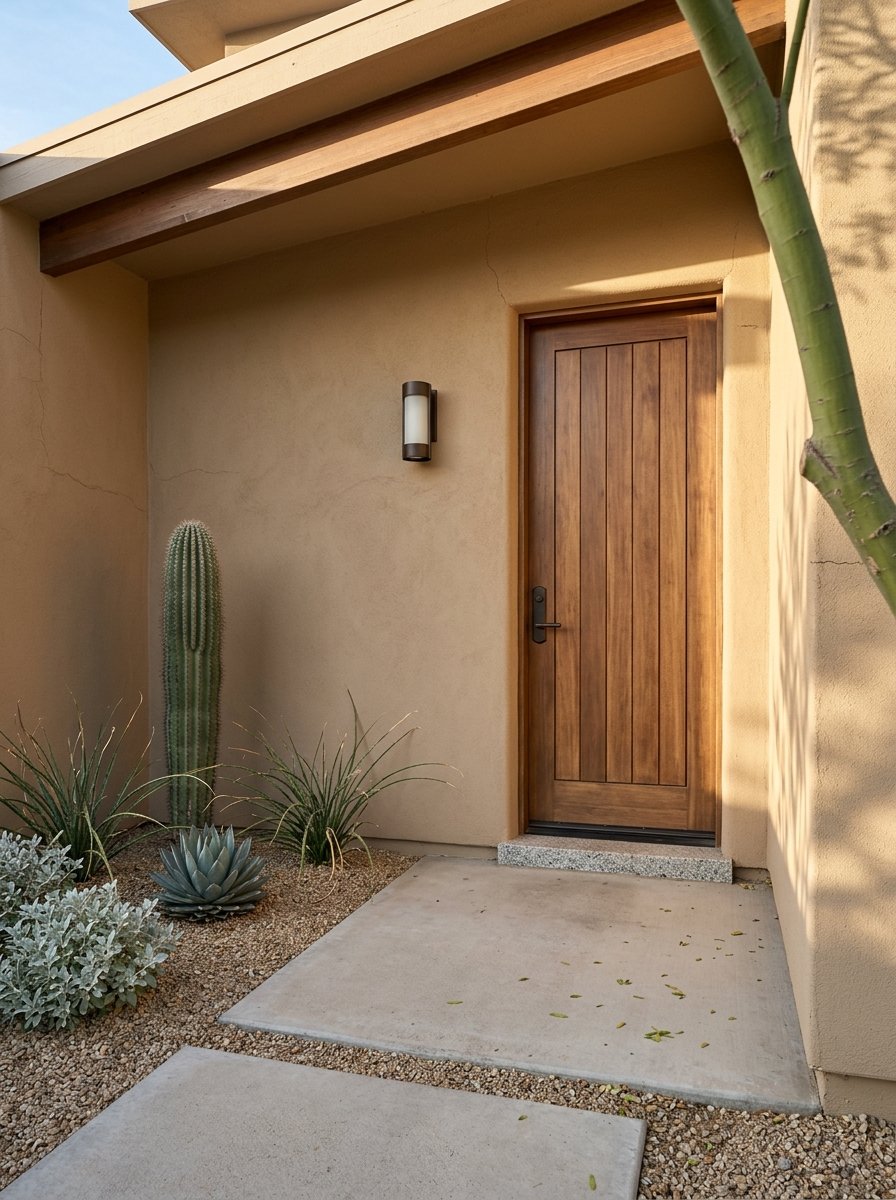
- Keep the home show-ready. Focus on curb appeal, bright lighting, and cool interior temps during warm months.
- Make access easy. Offer broad showing windows and virtual options during peak out-of-state buyer season.
- Track feedback and adjust. If you miss early momentum, consider a quick price or presentation tweak.
Offers, inspections, and appraisal
Understand Arizona’s inspection period
Most Arizona contracts include an inspection period, commonly 7 to 10 days, where the buyer can conduct inspections and request repairs or credits. Contract timelines are strict, so response windows matter. You can review the standard timelines in the Arizona Association of Realtors purchase contract here. A pre-listing inspection and receipts for recent work can help you respond faster and negotiate with confidence.
Prepare for appraisal risk
If your contract price is above recent comps, the lender’s appraisal might come in low. Your options usually include a price reduction, the buyer making up the gap in cash, a targeted appraisal rebuttal, or a combination. Pricing to attract multiple offers while staying within appraisal range often protects your net.
Closing timeline and what it costs
How long closing takes
In Arizona, a financed sale commonly closes in about 30 to 45 days after acceptance, while cash can be much faster. Expect extra time if title uncovers liens, if your HOA needs longer for resale documents, or if lender conditions require more documentation. For a step-by-step overview of closing basics, see this general closing timeline guide.
Typical seller costs
Your largest cost is usually the total commission, which is negotiable and often in the 5 to 6 percent range based on market and service level. Other common seller expenses in Arizona include owner’s title insurance, escrow and recording fees, HOA transfer and resale fees, prorated property taxes, and any repair credits negotiated during escrow. Combined, a typical total cost to sell often falls around 6 to 8 percent of the sale price, though your situation can vary.
Simple net sheet example
Here is a rough, conservative example to help you think through net proceeds. Title will prepare an exact estimate for you once you have a price and closing date.
- Estimated sale price: 480,000
- Estimated total selling costs at 7 percent: 33,600
- Estimated net before mortgage payoff and taxes: 446,400
Your actual net will depend on your agreed commission, title and escrow fees, HOA charges, any credits to the buyer, and your mortgage payoff. Ask your agent and title officer for a custom net sheet once you settle on list price and timing.
Required disclosures and HOA packets
Seller’s Property Disclosure Statement (SPDS)
Arizona sellers must disclose known material facts. In resale transactions, you will complete the standard SPDS and deliver it within the contract timeline. Missing or late disclosures can create delays or even post-closing liability, so treat this as both a legal duty and a smart protection step. You can view the standard contract that governs these timelines here.
HOA resale documents
If your property is in a planned community or condominium, Arizona law requires certain resale disclosures. This packet typically includes the declaration and bylaws, assessment amounts, unpaid assessments, and insurance summaries. The law sets short delivery windows and gives buyers limited time to review. Request the packet as soon as you accept an offer, and sooner if possible. Review the statute summary on the Legislature’s site for resale disclosures.
Taxes, FIRPTA, and title safeguards
Property tax prorations in Pima County
Arizona property taxes are paid in arrears and billed in two installments each year. At closing, you and the buyer will prorate taxes based on the closing date. Because the schedule and lien rules can affect your bottom line, ask title to confirm exact prorations with the Pima County Treasurer’s office. You can review dates and payment basics on the Pima County Treasurer site.
FIRPTA for foreign sellers
If you are a foreign seller, federal FIRPTA rules may require the buyer to withhold a portion of the sale proceeds. The general rate is 15 percent of the amount realized in many cases, with special thresholds when the buyer will use the home as a residence. Title and your tax advisor should address this early. See the IRS overview in Publication 515.
Title and fraud prevention
Unreleased mortgages, liens, and identity issues can delay or derail closing. Work with a reputable local title company, respond quickly to title requests, and consider fraud monitoring tools. Local association guidance also flags fraud prevention as a key seller safeguard. Review practical risk tips to stay ahead of red flags.
If your home was a short‑term rental
Marana requires a business license for short-term or vacation rentals, along with other steps like TPT registration, neighbor notification, and liability insurance. If you marketed your home as an income property, disclose the license status and provide recent rental records. Confirm requirements on the Town’s page for Short-Term Rentals.
Neighborhood notes to guide your listing
- Dove Mountain: higher-end golf and view properties often justify premium pricing when staged and photographed with twilight and view-forward angles.
- Master-planned communities: in places like Gladden Farms, highlight parks, trails, and commute access. Confirm exact school assignment by address through official channels.
- Avra Valley and rural parcels: buyers focus on land use, access, and well or septic details. Provide permits, surveys, and any well tests up front.
Keep your remarks factual and focused on features that matter to your likely buyer in each area.
Utilities and water
Parts of the town are served by Marana Water for water and wastewater. If your property has service through the Town, you can share setup or transfer basics using the Marana Water FAQ. If you have a private well or septic, prepare the related disclosures and any recent test results for buyers.
Quick seller checklist
- 8 to 12 weeks out: order a CMA, schedule major repairs, pull permits and receipts, and request an HOA resale estimate if applicable.
- 6 to 8 weeks out: complete a pre-listing inspection, address easy fixes, gather SPDS details, and confirm your ideal listing window.
- 4 to 6 weeks out: finish refresh work, deep clean and declutter, prep landscaping, and schedule professional photos and floor plans.
- Listing week: confirm MLS input complies with local rules, launch marketing, and set showing instructions.
- Under contract: deliver SPDS on time, respond to inspection requests within deadlines, confirm HOA resale packet delivery, verify tax prorations with Pima County, and coordinate utility transfer details for the buyer.
Ready to walk this plan with a local expert who knows Marana submarkets and buyer behavior season by season? Reach out to Ruben Moreno to price, prep, and market your home with confidence.
FAQs
How long does it take to sell a Marana home?
- Many homes close in 30 to 45 days after contract acceptance for financed deals, with longer timelines possible for title, HOA, or lending issues. Cash can be faster.
What disclosures do Arizona sellers provide?
- You will complete the SPDS and disclose known material facts, then deliver it within the contract deadlines set by the AAR forms. Late or missing disclosures can cause delays.
How do HOA resale packets work in Arizona?
- Associations or sellers must provide required documents like bylaws and assessment info within a short statutory window, and buyers get limited time to review.
How are Pima County property taxes handled at closing?
- Arizona taxes are paid in arrears, so you and the buyer prorate based on closing date. Title confirms exact amounts using the county’s calendar.
What if I used my Marana home as a short-term rental?
- The Town requires a license and related steps. Disclose license status and provide rental records to avoid closing delays and compliance risk.
What are typical seller costs in Arizona?
- Total costs often fall around 6 to 8 percent of the sale price, including a negotiable commission, title insurance, escrow fees, HOA charges, tax prorations, and any repair credits.