Seeing HOA dues on almost every Oro Valley listing and wondering what they really mean for your budget and lifestyle? You are not alone. If you are buying from out of state or for the first time, HOAs can feel confusing. In this guide, you will learn how HOAs work in Oro Valley, what typical fees cover, the rules to expect, and the key documents to review before you commit. Let’s dive in.
HOA basics in Oro Valley
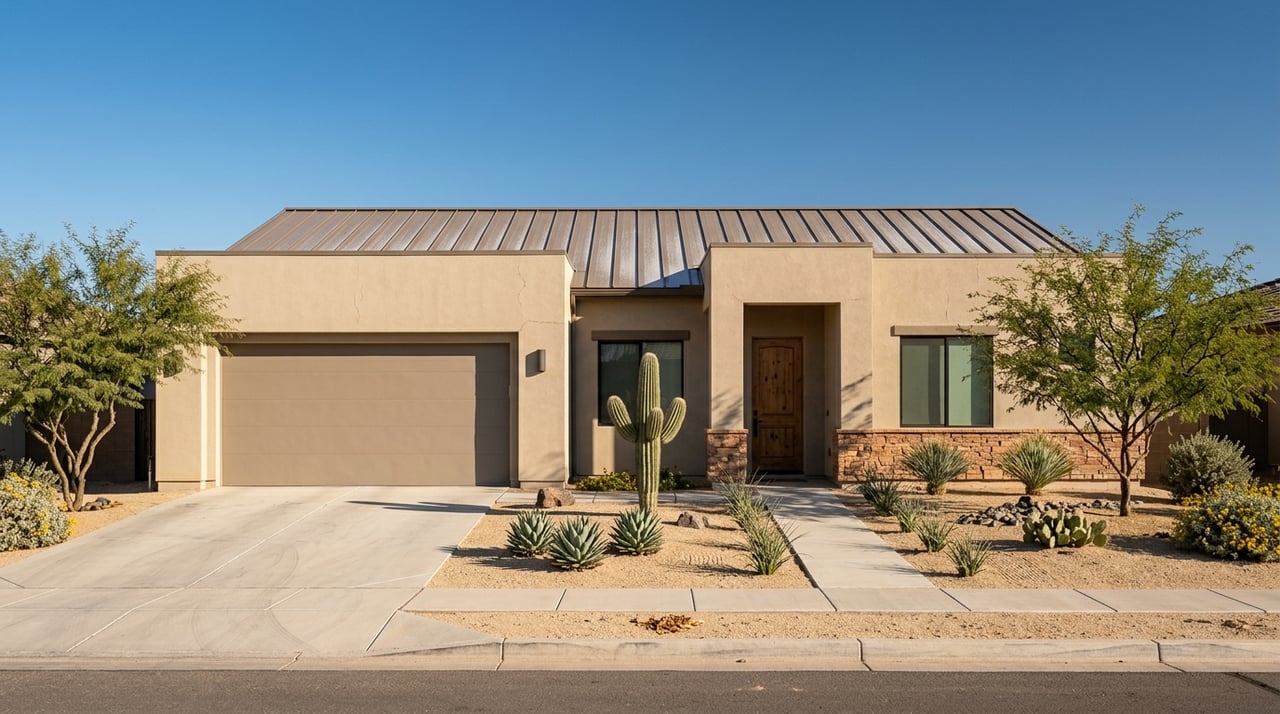
Oro Valley has many planned and master-planned neighborhoods with HOAs, from single-family communities to condo and townhome projects. These associations maintain common areas, enforce recorded covenants, and collect assessments to fund services. Arizona law addresses planned communities and condominiums in state statutes, so you can expect formal resale disclosures and clear rules.
Communities here can be self-managed by an elected board or run by a professional management company. Management style affects responsiveness, document access, and costs. Either way, the board enforces the CC&Rs, bylaws, and rules.
How management affects your experience
- Self-managed boards may feel more personal, but processes can vary by volunteer capacity.
- Professionally managed HOAs often have online portals, structured timelines, and defined points of contact.
- Ask how architectural approvals and maintenance requests are handled, and how quickly.
What HOA dues cover
Your dues usually fund routine landscaping, irrigation for common areas, pool and spa upkeep, clubhouse and fitness center operations, security or gate services, management fees, utilities for shared facilities, and reserve contributions for long-term repairs. In condo and townhome projects, dues can also cover exterior maintenance and parts of building insurance.
Typical fee ranges in Oro Valley
- Many HOAs fall roughly in the $100 to $400 per month range, based on local listing patterns and community structures.
- Amenity-rich or gated communities with clubhouses, fitness centers, or golf access can be higher.
- Some small or limited-amenity HOAs charge only annual fees that are often under $300 per year.
- Always verify the exact fee in the resale disclosures and current budget.
Other costs you might see
- Special assessments for capital projects or unexpected repairs
- Transfer, move-in, or resale certificate fees at closing
- Insurance differences based on what the master policy covers
- Required services tied to the HOA, such as private trash or irrigation maintenance
Tip: When planning your annual housing costs, add HOA dues plus a conservative allowance for potential assessments. A simple approach is to set aside about 0.5% to 1% of the home’s value each year, or use the HOA’s reserve study data if available.
Amenities and lifestyle trade-offs
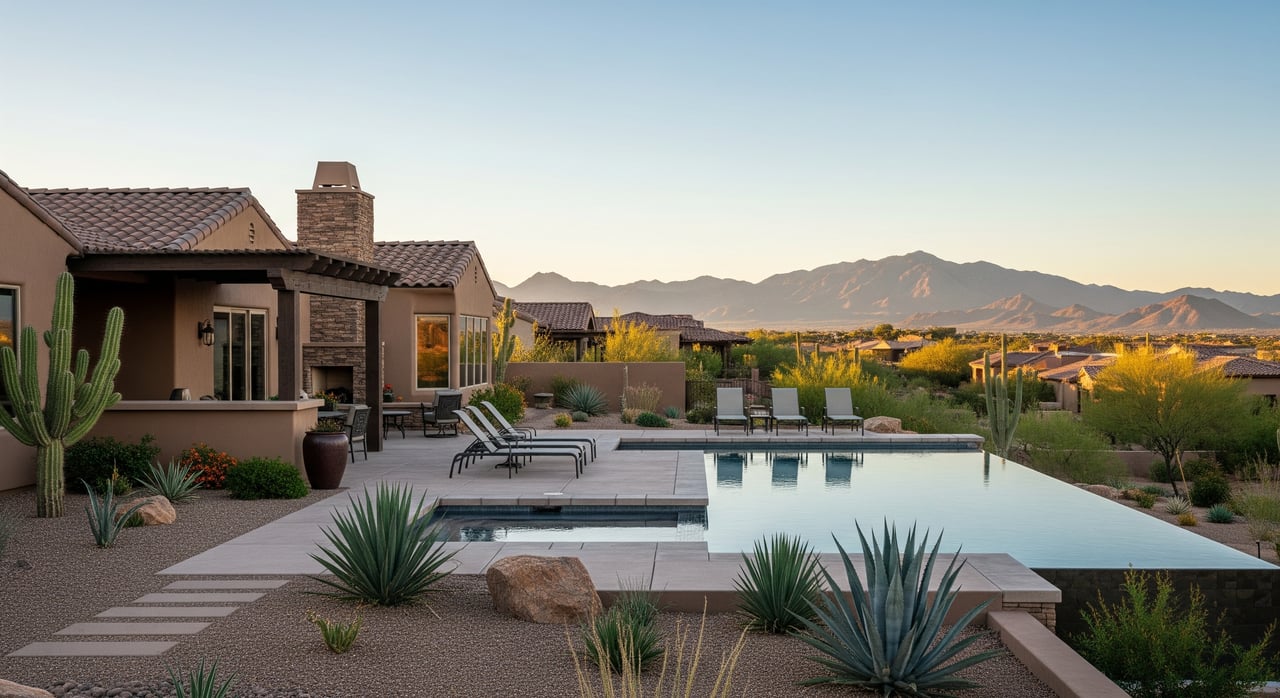
Many Oro Valley HOAs offer pools and spas, fitness centers, clubhouses, walking trails, dog parks, and landscaped open areas. Larger master-planned neighborhoods may include gated entries and access to nearby golf facilities. You will also see desert-focused features such as shaded ramadas, splash pads, and trail maintenance along Sonoran Desert corridors.
Rules you should expect
- Exterior changes: Most HOAs use an architectural review committee. Expect approvals for paint, roofing, solar panels, fencing, and landscaping changes.
- Landscaping and water use: Rules often support xeriscaping, irrigation standards, and desert plant preservation.
- Parking and vehicles: On-street parking limits and RV or boat storage rules are common.
- Pets: Communities may set pet counts, size limits, or leash expectations. Some offer on-site dog parks.
- Rentals: Many associations regulate short-term rentals and may require minimum lease terms.
- Noise, signage, and use: You may see limits on signage, business use from home, and hours for outdoor activities.
Climate and maintenance realities
Desert summers drive higher cooling needs. Common areas often rely on irrigation systems that the HOA maintains. Private yards can be your responsibility depending on the property type and documents. Many HOAs also have rules that protect native plants and reduce fire risk in foothill areas.
Documents to review before you buy
Ask for the HOA resale packet and review it early in escrow. Focus on:
- CC&Rs: Rules, assessments, enforcement, owner obligations, rental limits, and amendment processes
- Bylaws and Articles: Board powers, elections, meetings, and voting rules
- Rules and Regulations: Day-to-day policies on parking, pets, pools, and signage
- Budget and financials: Look at income, expenses, reserve contributions, and assessments over 12 to 24 months
- Reserve study: Long-term capital plan and funding level
- Board meeting minutes: Last 12 to 24 months for projects, enforcement, and concerns
- Insurance summary: What the master policy covers and required owner coverage
- Delinquency and litigation: Check for unpaid dues and lawsuits
- Resale certificate: Fees due at closing and confirmation of assessments
- ARC guidelines: How to apply for exterior changes and expected timelines
- Management contract and contacts: Who manages the community and how to reach them
Red flags to watch for
- Low or depleted reserves with aging facilities
- Recent or recurring special assessments
- High delinquency rates
- Pending lawsuits tied to construction or common-area failures
- Rules that conflict with your needs, such as strict rental limits
- Vague ARC criteria that could delay your improvements
Smart steps during escrow
- Request the resale packet early and review all documents before waiving contingencies.
- Confirm every fee you will owe: monthly dues, transfer or move-in fees, and any current or upcoming assessments.
- Verify insurance responsibilities between the HOA’s master policy and your policy.
- Contact the manager or a board representative with your questions.
- If possible, attend a meeting or open HOA event to gauge culture and enforcement.
- Confirm rental and pet policies if they matter to your plans.
- Ask your lender and title company to confirm any HOA documents they require for closing.
Key questions to ask the HOA
- What are the current dues and what do they cover?
- Are there any special assessments planned or recently approved?
- What is the reserve fund balance and date of the last reserve study?
- What percentage of owners are delinquent on dues?
- Are there any pending or recent lawsuits involving the HOA?
- What are the rental and short-term rental rules?
- What are the pet, parking, and exterior modification rules and timelines?
- What does the master insurance policy cover and what must owners carry?
- What transfer or administrative fees will be due at closing?
Tips for out-of-state buyers
- Ask if the HOA has online payments, portals, and e-communication for remote owners.
- Confirm who handles seasonal tasks, such as irrigation schedules or pool maintenance.
- If you will not be nearby, arrange a local contact or property manager for access and compliance.
- Request a quick call with the manager to understand service standards and response times.
Putting it all together
In Oro Valley, HOAs are common and they shape both your monthly costs and your daily experience. The right community can add real value with amenities, consistent maintenance, and clear standards. The key is to match the HOA’s budget, rules, and culture to your goals, then plan your budget with dues plus a cushion for capital projects.
If you want a local, bilingual guide to help you compare HOA budgets, review documents, and choose the right community fit, reach out to Ruben Moreno. You will get clear steps, quick communication, and neighborhood insight grounded in Tucson roots.
FAQs
What is a typical HOA fee in Oro Valley?
- Many communities range roughly from $100 to $400 per month, with amenity-rich or gated neighborhoods higher and some small HOAs charging annual fees under $300.
How do Oro Valley HOAs handle short-term rentals?
- Many associations restrict or regulate short-term rentals, often by setting minimum lease terms or added requirements, so always confirm the exact policy in the CC&Rs.
Which HOA documents should I review before buying in Arizona?
- Ask for CC&Rs, bylaws, rules, budget and financials, the latest reserve study, board minutes, insurance summary, delinquency and litigation info, and the resale certificate.
How do HOA rules affect solar panels and landscaping?
- Most HOAs require architectural review approvals for exterior changes, including solar installations, paint, fencing, and xeriscaping or irrigation adjustments.
What insurance will I need if the HOA has a master policy?
- The HOA’s policy typically covers common areas and sometimes exteriors, but you may need interior and personal property coverage, so verify responsibilities in the insurance summary.
Are HOAs common in Oro Valley for single-family homes?
- Yes, many newer and master-planned single-family neighborhoods use HOAs to manage common areas, amenities, and community standards.