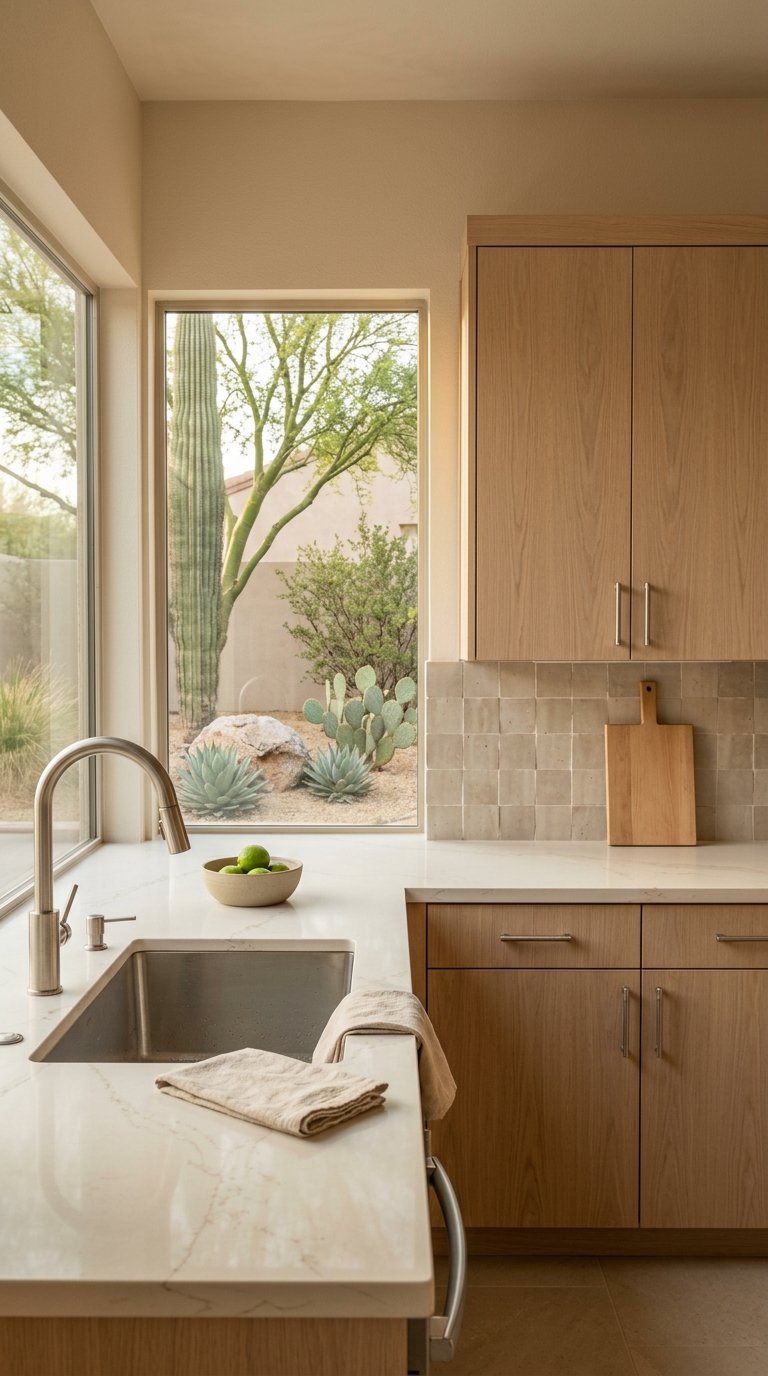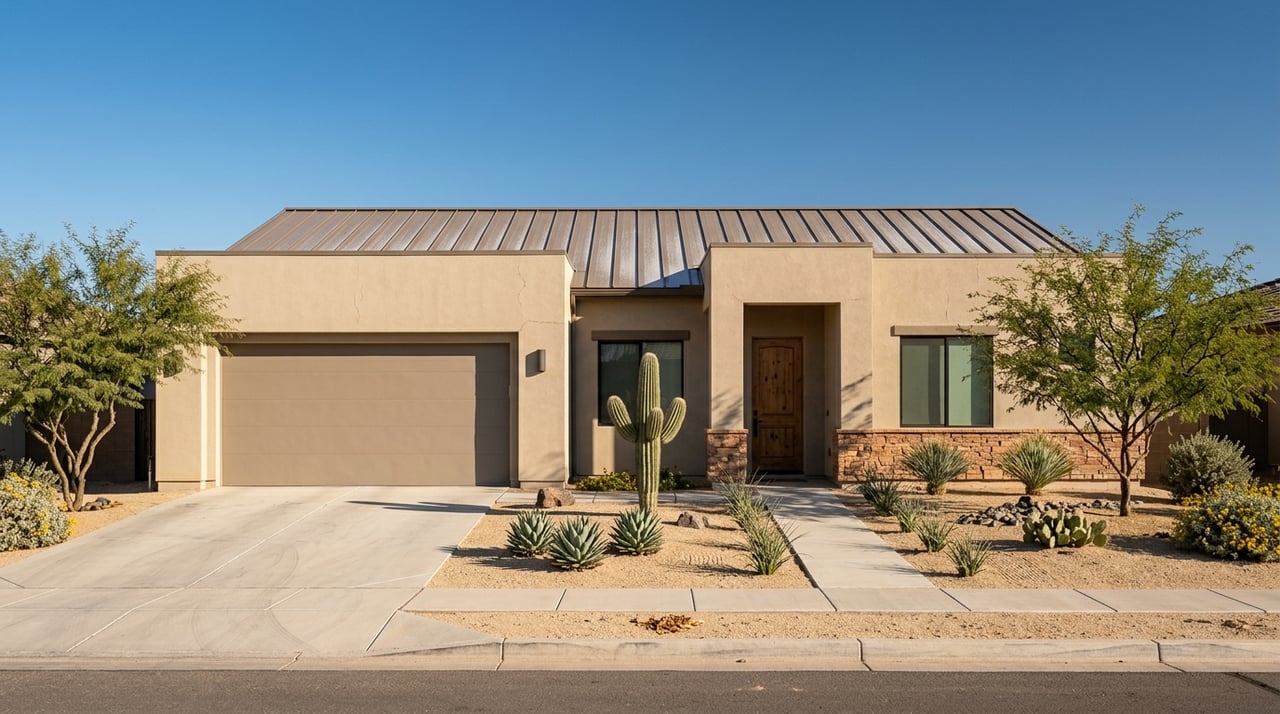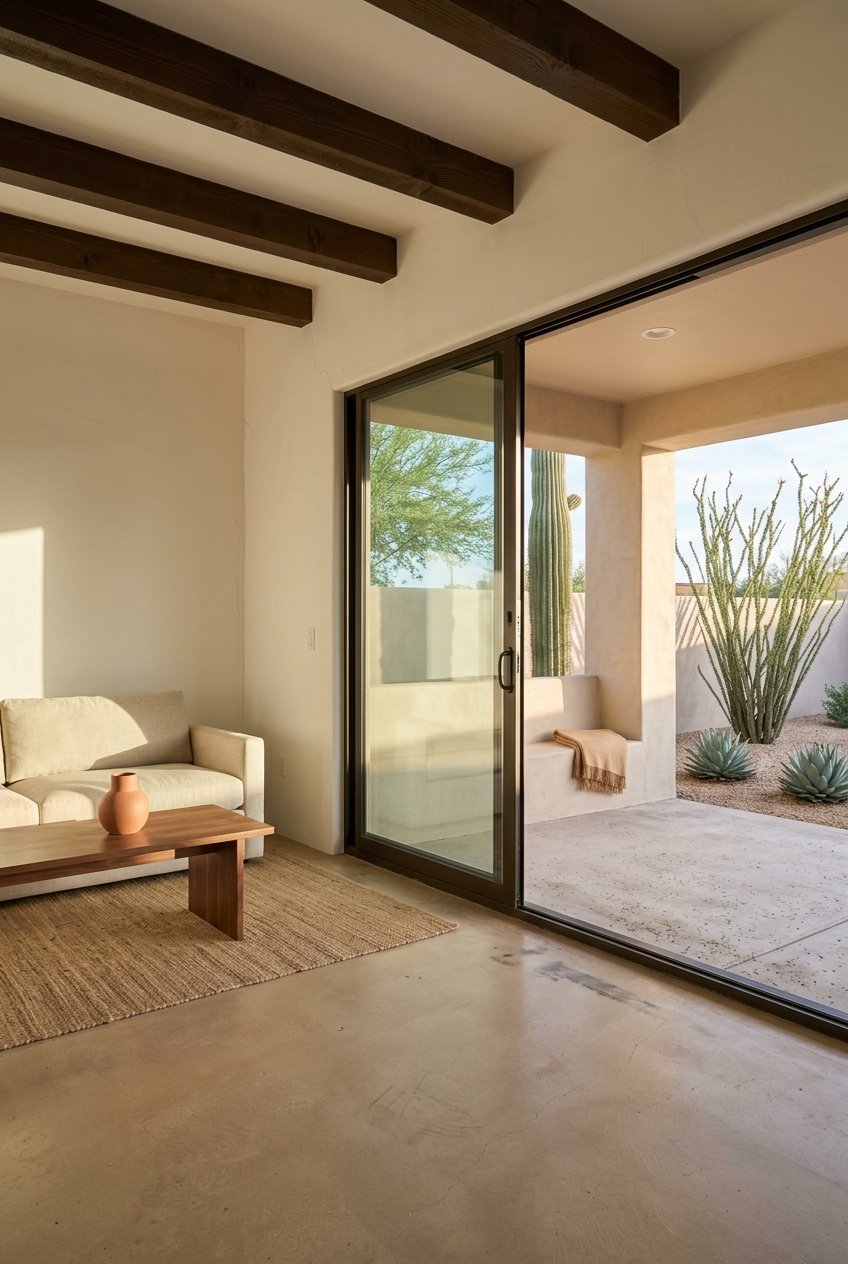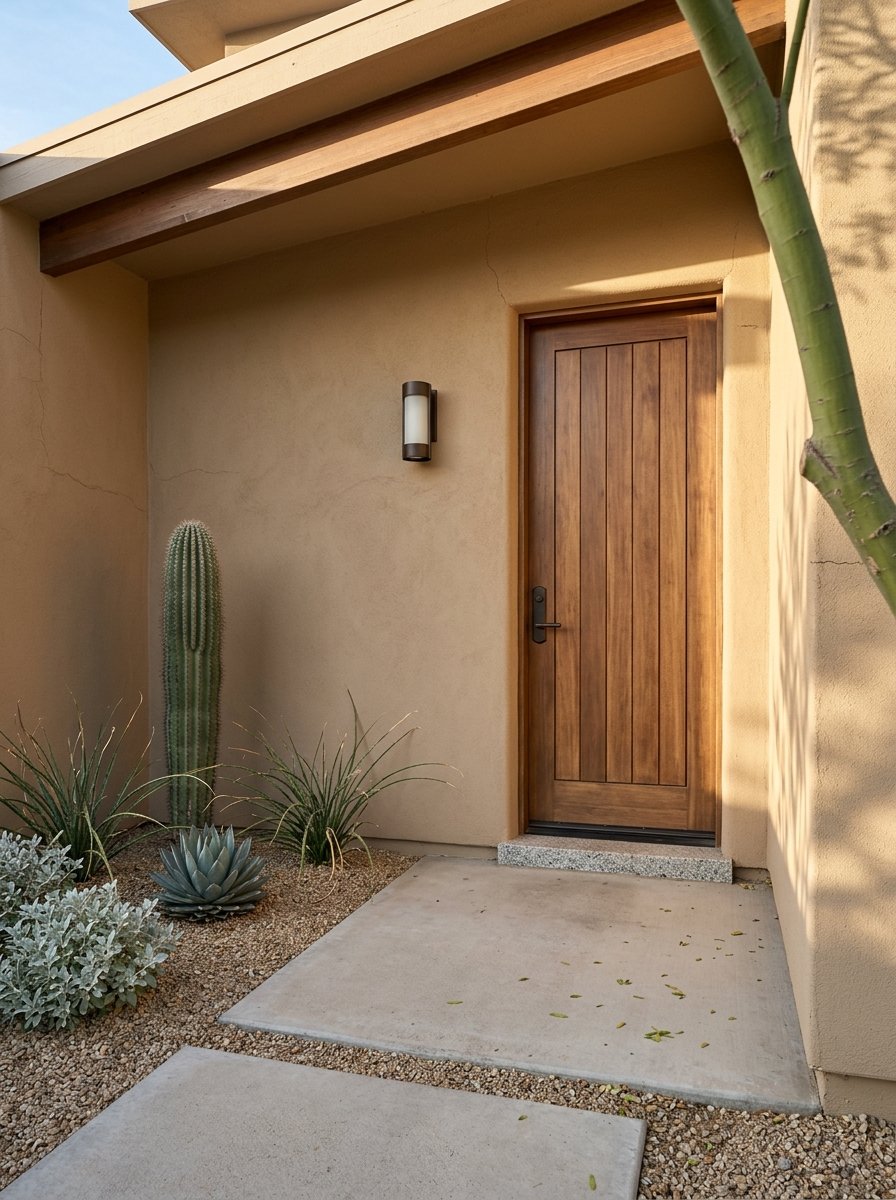
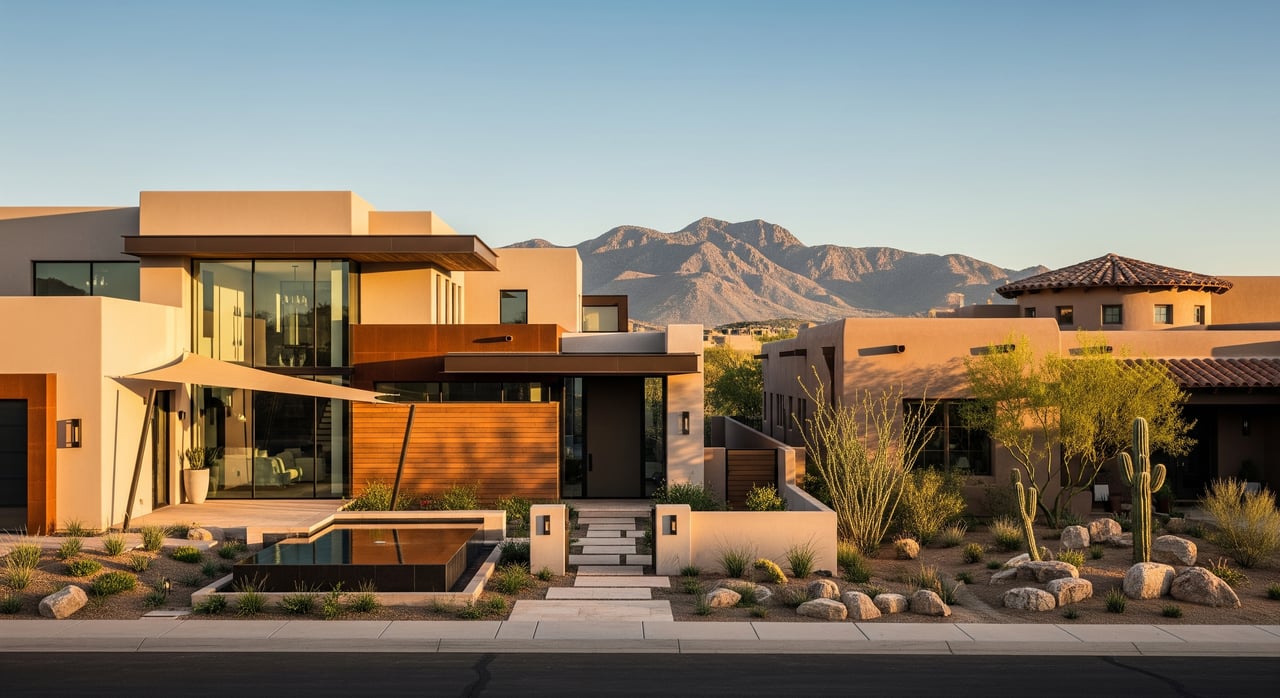
Trying to decide between a brand-new build and a resale home in Vail? You’re not alone. Many move-up buyers weigh customization, timing, and long-term costs when choosing their next home in this fast-growing Pima County community. In this guide, you’ll compare costs, timelines, warranties, HOAs, and negotiation strategies so you can make a confident choice for your family. Let’s dive in.
Vail market snapshot
Vail sits southeast of Tucson with a more rural feel, mountain views, and quick access to outdoor recreation. Inventory can look different from central Tucson. Resale listings may come in waves, while new construction often clusters in specific subdivisions or on custom lots. That mix affects your search strategy and how quickly you can move.
For many buyers, commute patterns and local amenities drive decisions, along with a preference for newer features or mature lots. Keep in mind that Vail’s setting can influence costs, especially for view lots and utilities. Understanding these local nuances helps you set the right expectations from the start.
Cost comparison
Purchase price and upgrades
New construction often carries a premium compared to a similar-size resale. That premium reflects new systems, modern layouts, and builder margins. It can narrow if a builder offers incentives or if a spec home is priced to move. With resales, price depends on location, lot maturity, updates, and any deferred maintenance.
With a new build, the base price is only the start. Many finishes, appliances, patios, and landscaping are optional and add cost. If the contract includes allowances, you pay the difference when selections exceed those amounts. Custom changes and change orders can increase both price and build time.
Closing and soft costs
On new homes, builders may offer closing cost help or interest-rate buydowns. Those offers often depend on using the builder’s preferred lender or title company. On resales, sellers may agree to cover some buyer costs or give repair credits, especially if the home has been on the market longer. You can also negotiate possession timing to avoid costly double moves.
Taxes, insurance, and utilities in Vail
Arizona property taxes are generally lower than national averages, and Pima County assessments are based on property value. New homes may be reassessed at higher values, sometimes with a timing lag. Insurance costs can vary: newer homes may have lower maintenance risk, but upgraded finishes can increase replacement-cost coverage.
Local cost drivers matter in Vail. View or larger lots can carry premiums. For custom or more rural builds, factor possible septic, well or water-provider fees, and utility extensions. These can add meaningful costs that do not appear at first glance.
Timelines and move-in speed
Resale timeline
Most resale transactions close in about 30 to 45 days with conventional financing. That window depends on inspections, appraisal, title work, and any buyer or seller contingencies. If you find the right home quickly, resale can be the fastest path to move-in.
New construction timing
Spec or quick-move homes can close on a timeline similar to resales once the home is complete and has a certificate of occupancy. If the home is nearly finished, plan on roughly 60 to 90 days. Semi-custom or custom builds can take 6 to 12 months or longer, depending on lot prep, permitting, selections, weather, and labor availability.
Pima County permitting
Pima County Development Services handles permits and inspections. Timelines vary by season and project complexity. Septic, grading, and hillside reviews can add time. Build schedules can also shift with trades availability and supply chains, especially in rural or edge markets like Vail.
Warranties and inspections
Builder warranty basics
Builders commonly provide a layered warranty structure. You’ll often see one year for workmanship and materials, two years for major systems such as HVAC, plumbing, and electrical, and up to ten years for structural coverage. Many builders use a third-party warranty administrator. Always read the exact terms in your contract.
Why inspections still matter
Even with warranties, third-party inspections are essential. Order phased inspections on custom builds, plus pre-drywall and final inspections. For spec homes, a standard home inspection helps catch punch-list items before closing. Warranties usually cover repair, not cosmetic preferences or normal wear.
Resale inspection dynamics
On a resale, inspections drive negotiations. You can request repairs, credits, or price adjustments if issues arise. Pay special attention to older systems, roofs, and sewer or septic conditions, since these can affect early ownership costs.
HOA and community factors
Fees and reserves
Newer communities often start with lower dues that rise as amenities and maintenance needs increase. Early owners may face special assessments if reserves are not fully funded. Established HOAs usually have a budget and a reserve study you can review to gauge upcoming capital projects.
Rules and renovations
New developments typically enforce stricter design guidelines to keep a uniform look. That can protect curb appeal but limit exterior changes. With resales, review CC&Rs to understand use restrictions, rental policies, and approval processes for renovations.
Amenities and value
Amenities like pools, trails, and clubhouses support lifestyle and can help resale value, but they come with upkeep costs. Evaluate both the benefits and the long-term maintenance burden. In Vail, proximity to open space and mountain views is a key draw, so balance amenities with lot characteristics that matter to you.
Negotiation dynamics
With builders
Builders set base pricing and often prefer to negotiate through incentives rather than dropping price. Look for closing cost credits, rate buydowns, or upgrade packages. If you plan to customize, ask for written ceilings on change-order markups and clear timelines for selections. Review contract terms around delays, remedies, and arbitration.
With resale sellers
Room to negotiate depends on inventory and days on market. Inspection results can justify credits or repairs. You can also negotiate closing dates, possession terms, and seller-paid costs to reduce your cash outlay. If you are selling a home too, plan for contingencies that align both transactions.
Move-up buyer timing
If you are buying new and selling your current home, plan for bridge costs or a rent-back to avoid double moves. Align your sale and purchase timelines early. If you choose a resale, you may be able to close quickly and then remodel selectively using proceeds from your sale.
Questions to ask before you choose
Builder questions
- What are the allowances for flooring, counters, appliances, and landscaping?
- How are change orders priced, and what is the cutoff for making changes?
- What incentives are available, and do they require using a preferred lender?
- Who provides the warranty, and what are coverage limits and exclusions?
- What happens if the build is delayed beyond the estimated completion date?
Resale seller questions
- What recent repairs or replacements have been completed, and are receipts available?
- What are the average utility and maintenance costs?
- Are there any known defects or past insurance claims?
- What do the HOA budget, reserve study, and CC&Rs show about upcoming costs or restrictions?
Financing options to explore
- Contingency tied to the sale of your current home
- Bridge loan or HELOC to reduce timing risk
- Builder rate buydown vs. permanent buydown with your preferred lender
Which path fits you?
Choose new construction if you want modern layouts, energy-efficient systems, and the ability to personalize finishes. Be ready for longer timelines and higher option costs, with warranties that reduce early maintenance risk. Choose resale if speed matters, you value mature lots, or you plan to renovate on your schedule. Your upfront price may be lower, but plan for inspections and potential capital expenses.
Bottom line: both options work in Vail. The right choice depends on your timing, budget for upgrades, and tolerance for construction variables.
Next steps in Vail
You do not have to navigate this decision alone. A local agent can help you compare actual new-build pricing and incentives against recent resales, review HOA documents, and align your sale and purchase dates. If you are considering a builder, verify the Arizona Registrar of Contractors license status and review contract terms before you sign.
Ready to talk through your plan and tour both options? Reach out to Ruben Moreno for local guidance in Vail and the greater Tucson area. Se habla español.
FAQs
What costs differ most between new builds and resales in Vail?
- New builds often include base price plus options, lot premiums, and potential utility extensions. Resales can have lower upfront prices but may require near-term repairs or system replacements.
Are builder incentives common in the Vail area?
- Incentives are common when builders have inventory to move. They often include closing cost credits, interest-rate buydowns, or upgrade packages, sometimes tied to using the builder’s preferred lender.
How long does a new home take to build near Vail?
- Quick-move or spec homes can close in about 60 to 90 days if near completion. Semi-custom or custom homes often take 6 to 12 months or more, depending on permitting, selections, and site conditions.
Should I still get an inspection on a brand-new home?
- Yes. Order third-party inspections at key stages and a final inspection before closing. Inspections help document punch-list items and catch issues that warranties may not address.
How do HOAs in new communities differ from established ones?
- New HOAs may have lower initial dues that rise as amenities and maintenance start, with a risk of special assessments if reserves are not fully funded. Established HOAs provide budgets and reserve studies to help you forecast costs.
Will my property taxes be higher on a new home in Pima County?
- Taxes reflect assessed value, so a brand-new home may be assessed at a higher amount than an older comparable. There can be a timing lag before the new value appears. Check current assessments to estimate your bill.
How can I verify a builder’s license in Arizona?
- Search the Arizona Registrar of Contractors for the builder’s license status and any complaint history. Review contracts carefully, including warranty terms, dispute resolution, and timelines before you sign.