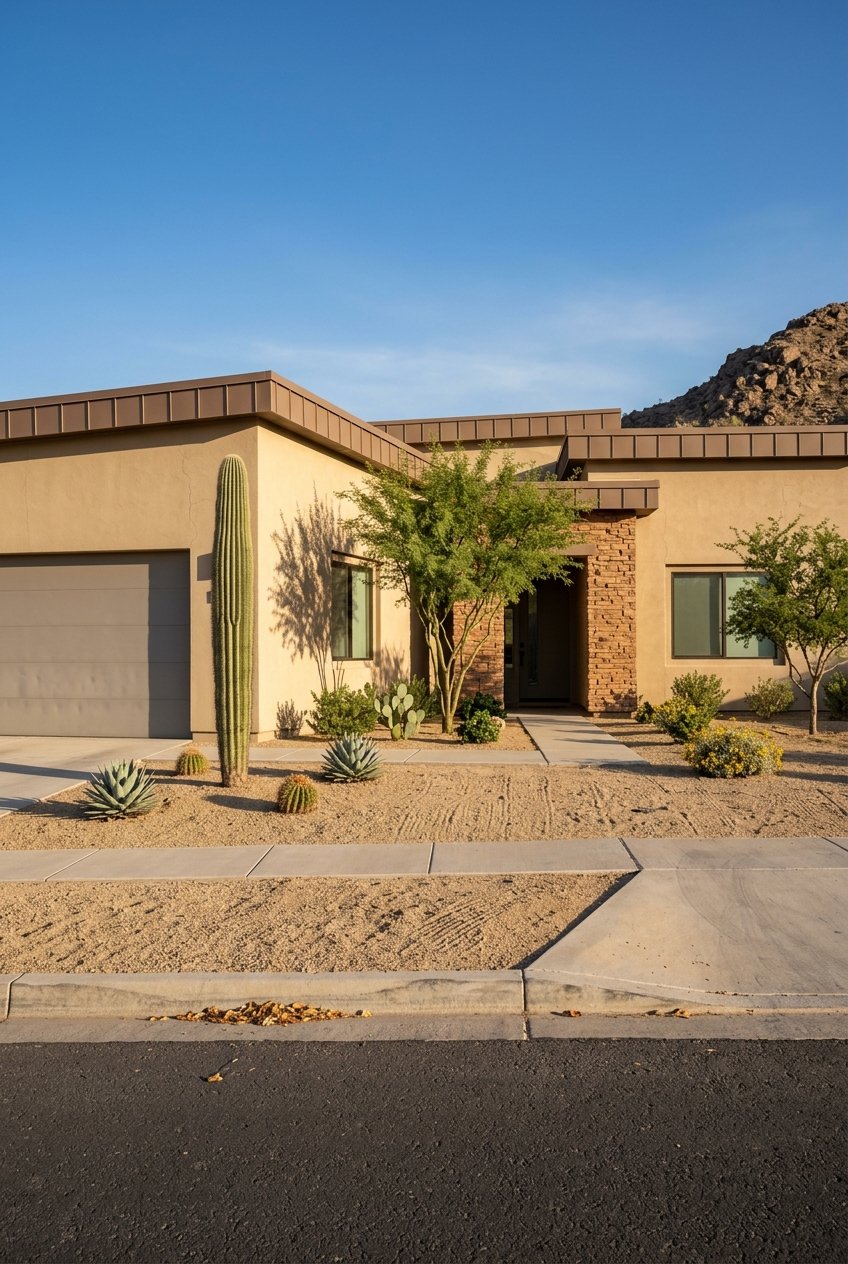
If you are thinking about moving north of Tucson, Oro Valley often stands out fast. It offers mountain views, a strong outdoor culture, and the kind of daily routine that feels organized around home, trails, and practical errands instead of big-city bustle. If you want a clearer picture of what living here actually feels like, this guide walks you through the pace, amenities, housing, and day-to-day patterns that shape everyday life in Oro Valley. Let’s dive in.
Oro Valley at a Glance
Oro Valley is in northern Pima County, about three miles north of Tucson’s city limits, between the Catalina and Tortolita mountain ranges. The town sits at 2,620 feet in elevation, which helps define both its views and its overall feel.
The Town of Oro Valley describes the climate as one of the sunniest and most comfortable in the country. Average highs are 83.4°F, and average lows are 53.8°F. That kind of weather helps explain why outdoor time plays such a big role in daily life here.
Oro Valley had an estimated population of 48,855 as of July 1, 2024. Census QuickFacts also shows a 76.4% owner-occupied housing rate, a median household income of $107,117, a mean commute time of 26.7 minutes, and broadband access in 94.9% of households.
Daily Life Feels Suburban and Outdoorsy
For many residents, everyday life in Oro Valley centers on home, driving, and time outside. The town’s layout and household profile point to a suburban routine, with errands and dining often concentrated along a few key roads instead of spread across a dense urban grid.
That means your day may include a morning walk, a drive to grab groceries, and an evening on the patio with mountain views. If you are coming from a denser part of town or from out of state, Oro Valley can feel more spacious, more residential, and more connected to the desert landscape.
The commute picture also supports that rhythm. With a mean commute time of 26.7 minutes, many households are balancing work, school, and errands by car while still enjoying a setting that feels a little removed from the faster pace of central Tucson.
Trails and Parks Shape Weekend Routines
One of the biggest parts of life in Oro Valley is how easy it is to get outside. The town says it maintains about 30 miles of trails within town limits, and many of its 54.5 miles of trails are dirt paths.
Shared-use paths run along Lambert Lane, Naranja Drive, La Cañada Drive, First Avenue, and Tangerine Road. The Cañada del Oro Wash and Big Wash also connect into Pima County’s Loop system, giving you more ways to bike, walk, or run through the area.
Catalina State Park adds even more options nearby. It includes 11 trails used for hiking, horseback riding, mountain biking, birding, and trail running, with strong views of Oro Valley and the Santa Catalina Mountains.
North Oro Valley also includes Vistoso Trails Nature Preserve, which has a 6.2-mile paved path. Naranja Park is another major local asset, with trails, leash dog parks, a playground, splash pad, skate park and pump track, and multi-use fields.
Community Events Add a Local Rhythm
Oro Valley is not just about trails and views. It also has recurring public spaces and events that give the town a steady community rhythm.
A great example is the Heirloom Farmers Market at Steam Pump Ranch. It runs every Saturday year-round, averages about 30 vendor stalls, and draws more than 700 customers each week.
Steam Pump Ranch also hosts tours and Second Saturday events. For residents, that means there is a regular gathering place woven into everyday life, not just a once-in-a-while special event destination.
Golf Is Part of the Lifestyle
If you enjoy golf, you will notice quickly that it is a visible part of the Oro Valley lifestyle. The town highlights several local options, including the Conquistador Course, Cañada Course, Pusch Ridge Course, and The Views Golf Club.
The Views Golf Club is described by the town as an 18-hole, desert-inspired championship course with Catalina Mountain views. It measures 6,759 yards, plays as a par 72, and offers both membership and daily green-fee play.
Even if you are not a golfer, these courses influence the look and feel of parts of town. They add open space, long views, and another layer to the recreation-focused lifestyle many buyers are looking for.
Shopping and Errands Stay Convenient
Oro Valley’s shopping pattern is practical and easy to understand. Retail and dining are concentrated along major corridors like Oracle Road, Tangerine Road, La Cañada Drive, and nearby intersections.
The town lists shopping and dining nodes such as Oro Valley Marketplace, Rancho Vistoso Center, Vistoso Plaza, Cañada Crossroads, Mercado at Cañada Hills, Steam Pump Village, Rooney Ranch Shopping Center, and Cottonwood Plaza. These hubs help keep many daily errands close to home.
For routine shopping, the town lists Walmart Supercenter and Sprouts Farmers Market near Oracle and Tangerine. That helps explain why many residents can take care of groceries and basic household needs without heading farther south.
Dining Is Casual and Local-Focused
The dining scene in Oro Valley is more practical than nightlife-driven. You will find a mix of local restaurants and familiar national options, which makes it easy to fit dining out into everyday life.
The town’s OV Original directory highlights places such as Bottega Michelangelo, Charred Pie Wood Fired Pizza Kitchen, Harvest, The Views Restaurant, The Overlook, Tohono Chul Garden Bistro, and Village Bakehouse. Together, they reflect a food scene built around casual meals, patio dining, and a handful of locally distinctive spots.
If you are expecting a dense entertainment district, Oro Valley may feel quieter. If you prefer convenience, comfort, and a more relaxed pace, that quieter pattern can be a real plus.
Homes Tend to Be Suburban and Owner-Oriented
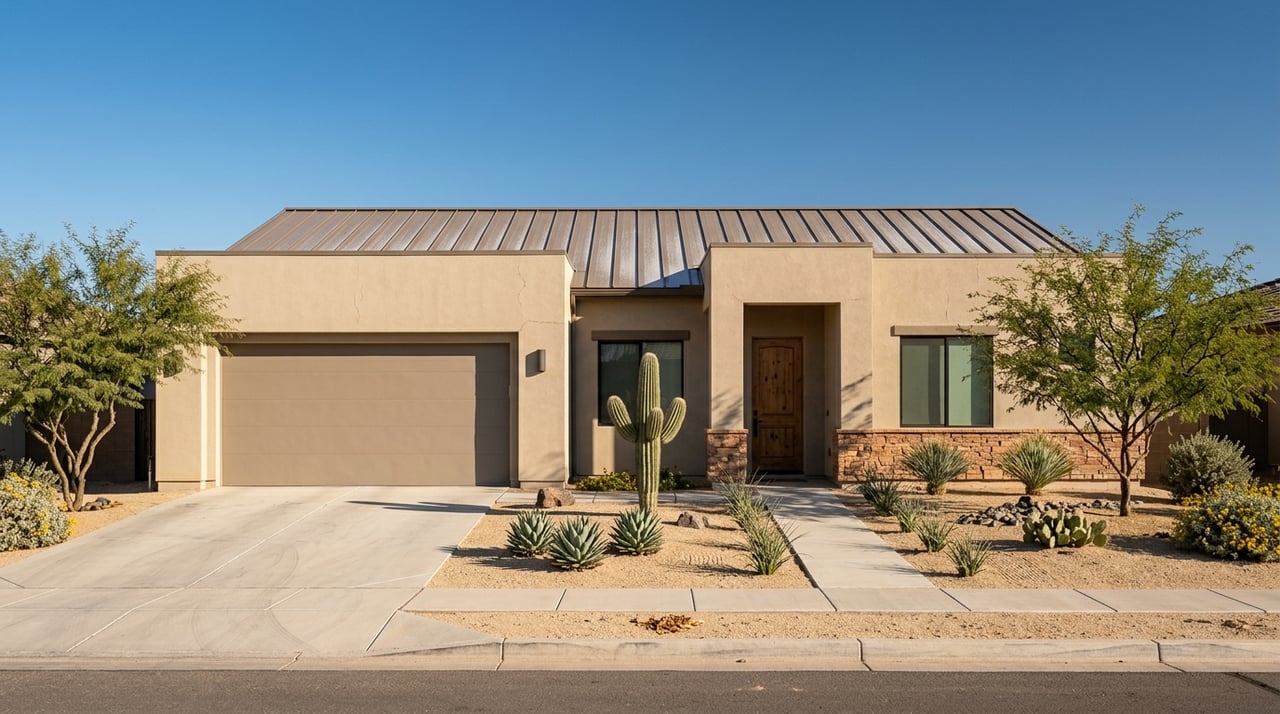
Oro Valley’s housing stock is mostly suburban in form and strongly owner-oriented. According to the town’s housing assessment, 72.7% of the housing inventory is single-family detached, while 15.4% is multifamily and less than 1% is manufactured housing.
The same report says 79% of the housing inventory was built between 1980 and 2010. It also found that most new single-family homes sold in the previous 12 months were roughly 2,100 to 3,200 square feet.
Census QuickFacts for 2020 through 2024 shows a median owner-occupied home value of $475,700. For buyers, that points to a market where single-family homes are a major part of the inventory and where many neighborhoods reflect late-20th-century and early-21st-century suburban development.
Lot Sizes Can Vary More Than You Expect
One helpful thing to know about Oro Valley is that lot sizes are not one-size-fits-all. Depending on zoning and subdivision design, homes can sit on anything from more compact lots to much larger desert-view parcels.
The town’s zoning interpretation shows minimum residential lot sizes from 5,000 square feet in R-S and R-4 districts up to 115,000 square feet in R1-144. Common districts include R1-7 at 6,000 square feet and R1-10 at 8,000 square feet.
Another town document notes that one specific R1-10 project used 12,000- to 16,000-square-foot minimums with added open-space and buffering standards. In real life, that means your experience of Oro Valley can differ a lot depending on where you look.
What Buyers Often Notice First
If you are considering a move to Oro Valley, a few themes usually stand out right away. You may notice the mountain backdrop, the lower-key pace, and the way many neighborhoods feel tied to the desert setting instead of packed tightly together.
You may also notice that daily life here is less about constant foot traffic and more about having room to spread out. Based on the town’s trail network, housing mix, retail pattern, and household profile, Oro Valley generally offers more space and easier access to outdoor recreation than a denser central-city area.
That does not mean every part of town feels the same. But for many buyers, the appeal is clear: a suburban setting with scenic surroundings, established residential areas, and the convenience of north-side shopping and services.
Is Oro Valley a Good Fit for You?
Oro Valley can be a strong fit if you want a home-centered lifestyle with easy access to trails, parks, golf, and everyday conveniences. It may also appeal to you if you prefer a more residential setting over a busier urban environment.
If you are comparing communities in the Tucson area, it helps to look beyond price alone. The bigger question is how you want your day-to-day life to feel, and Oro Valley offers a very specific mix of space, scenery, and routine.
When you understand that lifestyle first, it becomes much easier to decide whether a home here matches your goals. If you want local guidance as you explore Oro Valley or compare it with other Tucson-area communities, Ruben Moreno can help you make sense of the options with clear, responsive support.
FAQs
What is everyday life like in Oro Valley, AZ?
- Everyday life in Oro Valley is shaped by a suburban pace, outdoor recreation, home-centered routines, and errands that often happen along major corridors like Oracle Road, Tangerine Road, and La Cañada Drive.
How walkable is daily living in Oro Valley, AZ?
- Oro Valley has shared-use paths and trail connections, but the town’s commute patterns, retail layout, and suburban form suggest that many daily activities are still centered around driving.
What outdoor activities are common in Oro Valley, AZ?
- Common outdoor activities in Oro Valley include walking, hiking, biking, trail running, birding, golfing, and spending time at parks such as Naranja Park, Catalina State Park, and Vistoso Trails Nature Preserve.
What types of homes are common in Oro Valley, AZ?
- The town’s housing inventory is mostly single-family detached homes, which make up 72.7% of the housing stock, with most homes built between 1980 and 2010.
Are lot sizes in Oro Valley, AZ all the same?
- No, lot sizes vary widely by zoning and subdivision, with minimum residential lot sizes ranging from 5,000 square feet in some districts to 115,000 square feet in others.
Is Oro Valley, AZ convenient for shopping and dining?
- Yes, many shopping and dining options are concentrated in major commercial nodes, and the town lists grocery options and retail centers that allow many residents to handle everyday errands close to home.